What is Combi Sheet Piles Benefits Applications and Key Considerations
Combi sheet piles have emerged as a revolutionary solution in the field of civil engineering and construction, offering unique advantages for various applications. Combining the strengths of both traditional sheet piles and wider structural elements, Combi sheet piles provide enhanced load-bearing capacity and improved resistance against lateral earth pressures. Their versatility makes them particularly suitable for challenging soil conditions, where conventional methods may fall short.
The benefits of Combi sheet piles extend beyond structural integrity; they play a crucial role in environmental remediation, flood protection, and waterfront development. Their design allows for rapid installation, minimizing disruption to surrounding areas while ensuring stability and safety. Key considerations, including material selection and installation techniques, must be carefully evaluated to maximize the performance of Combi sheet piles in any project. By understanding these aspects, engineers and contractors can leverage this innovative technology to meet the increasing demands of modern infrastructure while addressing environmental concerns.
What Are Combi Sheet Piles and Their Structural Properties?
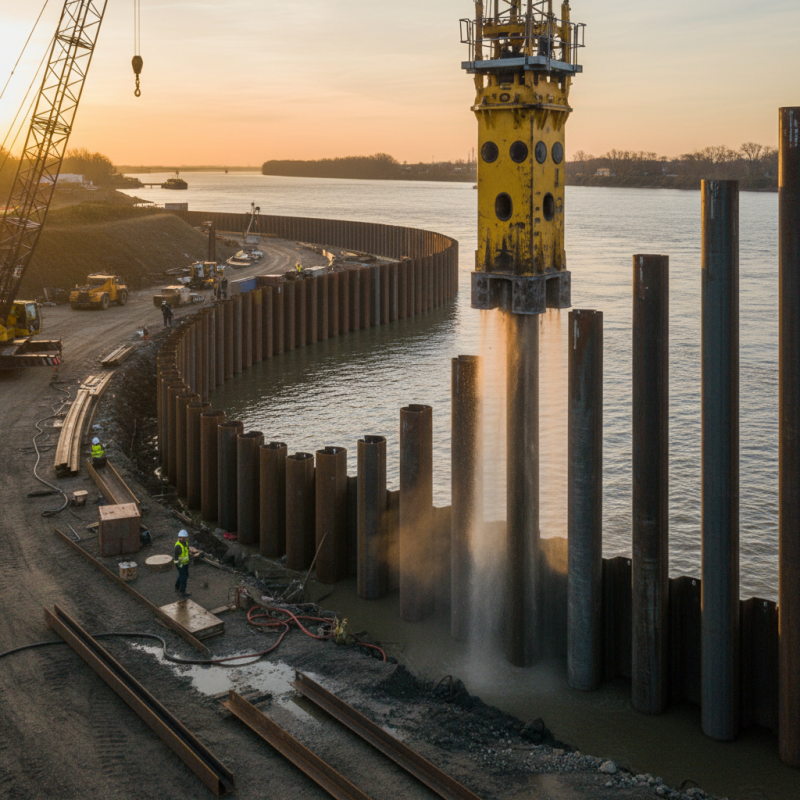
Combi sheet piles are hybrid structures that combine different types of sheet piles, often made from steel or reinforced concrete, to enhance their overall structural properties. These innovative piling systems typically consist of two complementary types: U-shaped and Z-shaped piles. The integration of various profiles allows for improved load-bearing capacity while also providing better resistance to lateral soil pressures, making them ideal for challenging geological conditions.
The structural properties of combi sheet piles contribute significantly to their applications in various civil engineering projects. Their design offers enhanced stiffness and stability, which is essential for waterfront structures, earth retention systems, and temporary or permanent excavations. Additionally, combi sheet piles can effectively reduce the risk of deformation under extreme environmental conditions, such as high tides or floods. The versatility in the assembly of these piles enables engineers to tailor solutions to meet specific site requirements, further showcasing their effectiveness in modern construction practices.
Combi Sheet Piles Benefits and Applications
Key Benefits of Combi Sheet Piles in Civil Engineering Applications
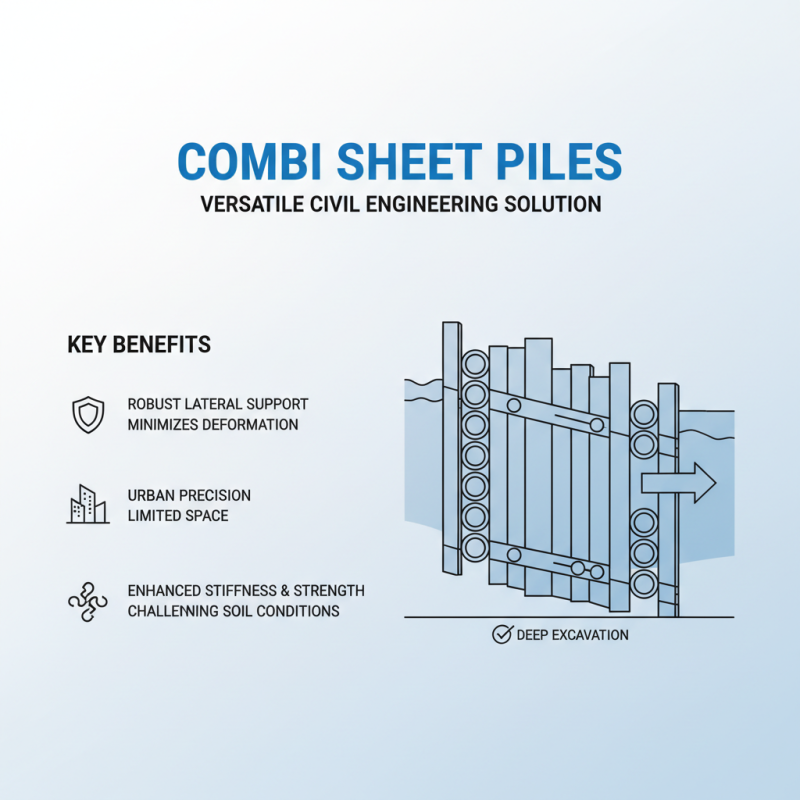
Combi sheet piles are a versatile solution in civil engineering, particularly beneficial for complex projects requiring deep excavation and effective ground retention. One of the key benefits of using combi sheet piles is their ability to provide robust lateral support while minimizing deformation. This is especially advantageous in areas with limited space or where precision is critical, such as urban construction sites. Their interlocking design enhances stiffness and strength, making them ideal for challenging soil conditions while efficiently resisting soil pressure.
Another significant advantage lies in their adaptability to various project needs. Combi sheet piles can be used for both temporary and permanent structures, enhancing construction flexibility. Moreover, they offer resistance to corrosion and abrasion, ensuring longevity and reducing maintenance costs. In environments prone to fluctuating water levels or high wave action, combi sheet piles perform exceptionally well, serving as reliable barriers. The combination of these benefits makes combi sheet piles a favored choice for a range of applications, including waterfront structures, flood defense systems, and deep excavation support, proving their value in modern civil engineering practices.
Industries Utilizing Combi Sheet Piles: Case Studies and Examples
Combi sheet piles have gained traction in various industries due to their effectiveness in providing structural support and improving site stability. One key application is in the construction sector, where they are used in waterfront projects to prevent soil erosion and manage water levels. According to a report by the International Association for Foundation Engineering, projects utilizing combi sheet piles have reported a 30% reduction in installation time compared to traditional methods. This efficiency not only translates to cost savings but also accelerates project timelines, making them a preferred choice in urban development and infrastructure projects.
Another significant industry employing combi sheet piles is environmental engineering, particularly in the remediation of contaminated sites. For instance, a case study from the Environmental Protection Agency illustrates how combi sheet piles were instrumental in creating cofferdams to isolate contaminated sediments, facilitating safer cleanup operations. Research indicates that the use of combi sheet piles can enhance site safety by minimizing the risk of groundwater contamination, helping projects meet stringent environmental regulations. This dual application of supporting structures and environmental protection highlights the versatility and critical role of combi sheet piles across various industries.
Environmental Impact of Combi Sheet Piles: Sustainability Considerations
The environmental impact of combi sheet piles is a critical consideration in contemporary construction practices. These structures, commonly used for retaining walls and foundation support, are increasingly recognized for their sustainable attributes. According to a report by the International Association of Foundation Drilling, steel sheet piles can be recycled at the end of their life cycle, reducing waste and requiring significantly less energy compared to other materials.
In fact, it is estimated that recycling steel uses about 60% less energy than producing new steel from virgin materials, offering a substantial reduction in greenhouse gas emissions.
Moreover, electronic monitoring systems can be integrated with combi sheet piles to ensure minimal disruption to surrounding ecosystems during installation. This technology facilitates real-time assessments of environmental effects, such as soil stability and groundwater quality, thereby promoting responsible construction practices.
A study by the Environmental Protection Agency (EPA) highlighted that utilizing innovative construction methods, including combi sheet piles, can lead to a 30% decrease in environmental disruptions during infrastructure projects. These advancements reflect a growing commitment within the industry to prioritize environmental sustainability while efficiently meeting infrastructural needs.
Key Factors to Consider When Selecting Combi Sheet Piles for Projects
When selecting combi sheet piles for a project, several key factors must be considered to ensure optimal performance and cost-effectiveness. First, understanding the project’s specific soil conditions is crucial. According to a report by the International Society for Soil Mechanics, localized geotechnical evaluations help determine the type of pile best suited for resisting lateral loads and providing adequate groundwater control. Combi sheet piles allow for enhanced design flexibility, which can be particularly beneficial in complex soil environments.
Another significant factor is the load-bearing capacity required for the project. A study conducted by the Foundation Engineering Journal revealed that combi sheet piles can provide up to 25% more load capacity than traditional types due to their hybrid design, which combines both tubular steel and flat-sheet elements. This increase in capacity can lead to reduced material usage and lower overall costs, emphasizing the importance of detailed analysis in the selection process. Additionally, environmental considerations, such as the potential for noise and vibration during installation, should also be taken into account to comply with local regulations and minimize impact on nearby communities.