Leave Your Message
Choosing a reliable steel supplier can shape project cost, schedule, and safety. This guide introduces ten leading steel stockists serving buyers across major industrial markets. Each Steel Stockist is considered through practical purchasing criteria, not name recognition alone. The review examines product range, available grades, stock depth, processing services, and delivery capacity. It also considers mill certificates, heat-number traceability, inspection practices, and customer support. These details matter when a shipment reaches a busy fabrication yard. A missing certificate can delay cutting, welding, or final approval. Small differences matter.
The selected companies may serve construction, energy, manufacturing, marine, and infrastructure customers. Their strengths are not identical. One may offer broad warehouse inventory, while another provides faster regional delivery or specialist alloys. The comparison also considers international documentation, packaging, communication, and experience with repeat orders. Information is checked against company records, industry sources, and buyer-facing evidence where available. Still, no ranking is flawless. Prices, stock levels, freight routes, and certifications can change quickly. Buyers should verify current specifications, tolerances, origin documents, and compliance requirements before placing an order. That step is often overlooked. It should not be. The aim is practical guidance, helping global purchasers shortlist dependable partners and ask better questions. A strong supplier is more than a stocked warehouse; it is a traceable, responsive link between the steel mill and the finished project.
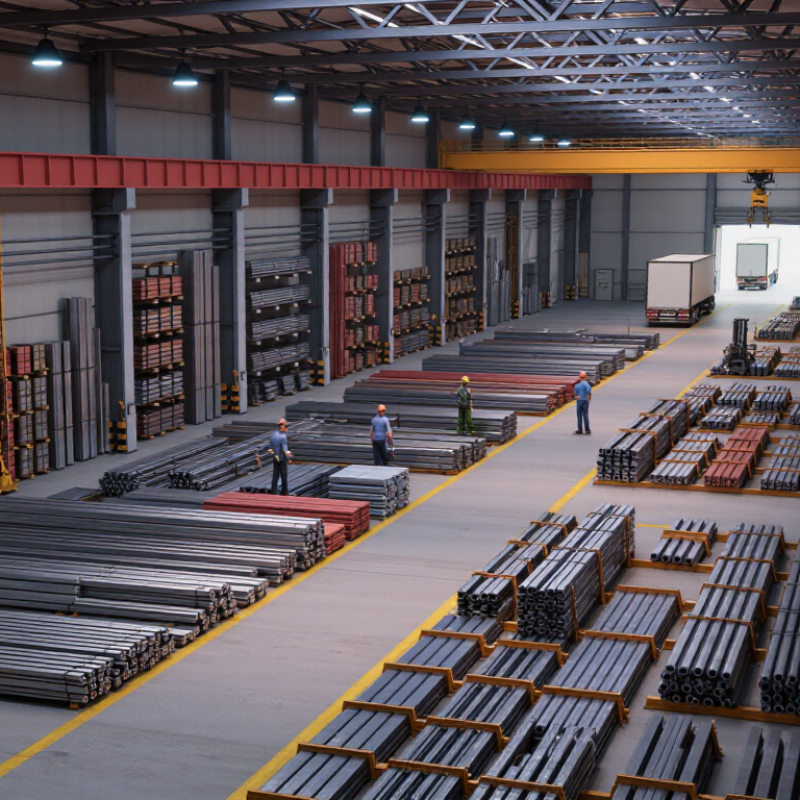
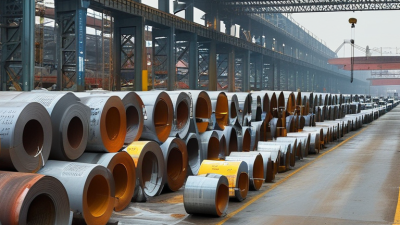
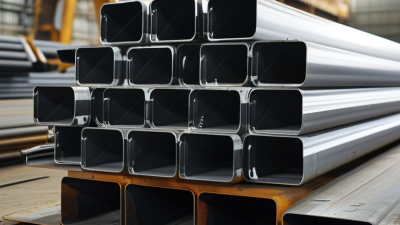
Steel stockists are specialized suppliers that purchase, store, and distribute steel from qualified mills. They serve buyers who need practical access to varied grades, sizes, and finishes. Instead of waiting for a mill’s production schedule, a buyer can request stocked coils, plates, bars, or tubes. This can shorten project delays and reduce minimum order pressure.
Global buyers often use stockists for urgent repairs, construction phases, and mixed-material orders. A reliable stockist provides clear specifications, heat numbers, inspection documents, and shipping details. Experienced purchasing teams compare these records before approving the material. A warehouse visit can also reveal storage quality, surface protection, and labeling accuracy.
Tips: Ask about stock age, traceability, tolerances, and replacement procedures. Confirm whether cutting, packing, and export paperwork are handled in-house. Request recent inspection evidence, not only a sales promise. Small details matter.
Price alone can mislead. Poor storage may create rust, rework, or delivery disputes. Stockists should explain how they control moisture, stacking pressure, and batch separation. Buyers should also check whether the supplied grade matches the project specification and local requirements. I have seen purchasing decisions focus too heavily on fast delivery. That choice can create expensive corrections later. A dependable stockist combines available inventory with transparent communication and measurable quality controls. Still, no supplier is perfect. Buyers should document assumptions and review them before payment.
A comparison of major steel-stockist market profiles by region, inventory focus, services, standards, and international purchasing suitability.
| Rank | Stockist Market Profile | Primary Region | Main Stock Categories | Common Product Forms | Typical Buyer Services | Common Standards | International Buying Advantage |
|---|---|---|---|---|---|---|---|
| 1 | Northern European multi-product stockist | Northern Europe | Carbon steel, stainless steel, structural steel | Plate, sheet, bar, tube, beam, profiles | Cut-to-length, profiling, sawing, kitting, mill documentation | EN, ISO, CE-related construction documentation | Strong traceability, dependable documentation, access to European grades |
| 2 | North American service-center network | United States and Canada | Flat-rolled carbon steel, galvanized steel, aluminum, plate | Coils, sheets, plates, bars, tubing | Slitting, leveling, shearing, laser cutting, inventory programs | ASTM, ASME, AISI, CSA, ISO | Broad processing capacity and reliable supply for industrial projects |
| 3 | East Asian export-oriented stockist | East Asia | Carbon steel, stainless steel, galvanized and pre-painted products | Coils, sheets, pipes, tubes, bars, wire products | Export packing, container loading, inspection coordination, consolidation | ASTM, JIS, EN, ISO | Competitive export logistics and access to multiple Asian production sources |
| 4 | Gulf-region project stockist | Gulf Cooperation Council markets | Structural steel, rebar, pipes, plates, valves and fittings | Beams, sections, reinforcing bars, line pipe, flanges | Project allocation, bundling, coating coordination, urgent delivery | ASTM, API, BS, EN, ISO | Useful for oil, gas, infrastructure and construction projects in the Middle East |
| 5 | South Asian integrated stock-and-distribution profile | South Asia | Carbon steel, stainless steel, alloy steel and construction steel | Sheets, plates, bars, pipes, tubes, structural sections | Custom cutting, export documentation, third-party inspection, mixed orders | ASTM, ASME, EN, DIN, ISO | Flexible order quantities and broad grade availability for developing markets |
| 6 | Mediterranean import and distribution stockist | Southern Europe and the Mediterranean | Long products, flat products, stainless steel and construction materials | Rebar, beams, coils, sheets, tubes, wire rod | Port-based warehousing, trucking, cutting, customs support | EN, ASTM, ISO, national construction standards | Convenient access to European, North African and Middle Eastern routes |
| 7 | Central European engineering-steel stockist | Central Europe | Tool steel, alloy steel, stainless steel and precision bar | Bright bars, ground bars, forgings, plates, seamless tubes | Sawing, peeling, grinding, heat-treatment coordination, material testing | EN, DIN, ASTM, ISO 9001 | High suitability for machinery, automotive and precision-engineering buyers |
| 8 | Oceania project and maintenance stockist | Australia and New Zealand | Structural steel, plate, pipe, mining steel and stainless products | Beams, channels, plate, hollow sections, pipe, mesh | Fabrication, drilling, blasting, priming, site delivery and traceability | AS/NZS, ASTM, EN, ISO | Strong support for mining, infrastructure and remote-site procurement |
| 9 | Latin American regional distributor | Latin America | Rebar, structural steel, flat steel, pipe and general steel products | Bars, coils, sheets, tubes, beams, wire products | Regional warehousing, small-batch supply, cutting, import coordination | ASTM, ABNT, EN, ISO, local building codes | Reduces import complexity and supports buyers needing regional inventory |
| 10 | Specialist stainless and nickel-alloy stockist | Global specialist supply network | Austenitic, ferritic, duplex, nickel alloys and corrosion-resistant steel | Plate, sheet, bar, pipe, tube, fittings, forgings | Positive material identification, testing, cutting, export packing, certification review | ASTM, ASME, EN, NACE-related requirements, ISO | Provides difficult-to-source grades and technical documentation for demanding applications |