Leave Your Message

What Is a Spiral Pipe and What Is It Used For?

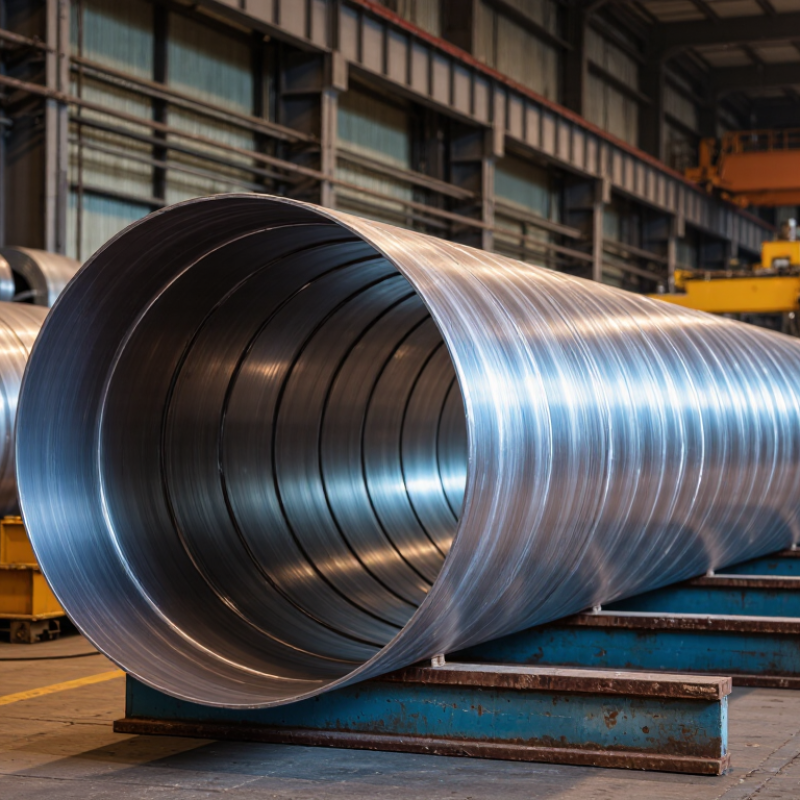
Spiral Pipe is made by forming a continuous strip of steel into a helix and joining its edges. The result is a round pipe with a visible spiral seam. That seam is not just a manufacturing detail; its quality and design affect strength, pressure performance, and suitability for a particular job. A pipe’s material, diameter, wall thickness, and coating matter too. There is no single specification for every project.

Where might you see one? In ventilation ducts above a warehouse floor, in stormwater systems beneath a road, or in large-diameter water and industrial installations. Spiral-welded steel pipe can be practical where long lengths and large diameters are needed. Yet “spiral pipe” does not automatically mean one material or one use. Buyers should check the intended service, operating conditions, and applicable project specifications.

The broader need for dependable pipe infrastructure is substantial. The U.S. Environmental Protection Agency’s 2023 Drinking Water Infrastructure Needs Survey and Assessment estimates $625 billion in drinking-water infrastructure needs over 20 years. Its 2022 Clean Watersheds Needs Survey reports an estimated $630.1 billion for wastewater and stormwater infrastructure over the same period. These figures describe system-wide needs, not demand for spiral pipe alone. That distinction matters. In this guide, we’ll explain how spiral pipe is made, where it is used, and which factors help determine whether it fits an application. A strong-looking seam is only part of the story.
What Is a Spiral Pipe and What Is It Used For?

Definition and Basic Structure of a Spiral Pipe

A spiral pipe is made by winding a continuous steel strip into a cylinder, with the strip’s edges joined along a helical seam. This differs from a pipe formed from one flat plate or a straight-seam tube. The spiral shape lets manufacturers produce pipes in varied diameters using strip material of manageable width. The basic structure includes the steel wall, the welded seam, and prepared ends for connection. That seam matters. Its quality, along with wall thickness and steel grade, affects strength and suitability for service.

Tips: When checking a spiral pipe, look at its specified diameter, wall thickness, material grade, and weld inspection records. A smooth-looking seam alone does not confirm performance.

Spiral pipes are commonly used in water transmission, drainage, and some structural applications. Their large diameters can carry substantial flow, while their dimensions can be tailored to project needs. However, they are not automatically suitable for every pressure, temperature, or fluid. Engineers select pipe based on design loads, operating conditions, corrosion exposure, and applicable project standards. In the field, even a sound pipe can be compromised by poor handling or misaligned joints. Specifications deserve a close read.
Materials and Spiral Pipe Manufacturing Methods

Spiral pipe is made from a continuous strip of steel formed into a helix, rather than from a straight plate rolled into a cylinder. Carbon steel is common for water, structural, and many industrial applications because it offers strength and practical weldability. Low-alloy grades may be selected when the design calls for added toughness. Stainless steel can suit some corrosive environments, though its cost and compatibility with the conveyed fluid need careful review.

Material selection depends on pressure, temperature, soil or fluid exposure, and the project specification. A coating may help protect the finished pipe, but it does not replace choosing a suitable steel grade. Small details matter. For example, a mismatch between the pipe material and the service conditions can shorten its useful life.

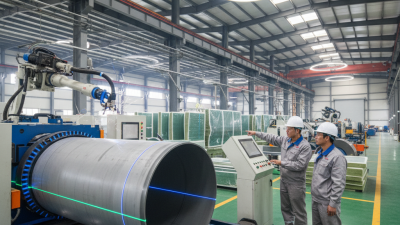
During manufacture, steel strip is uncoiled, its edges are prepared, and forming rolls guide it into a spiral. The seam is typically welded on the inside and outside as the pipe takes shape. Operators then cut the pipe to length and check dimensions, weld quality, and, when specified, pressure performance. The process allows different diameters to be produced from strip, but exact limits depend on equipment and design requirements. Inspection records are worth reviewing; a smooth-looking seam alone does not prove the pipe meets its specification.

Design Features and Performance Characteristics

A spiral pipe is formed by winding steel strip into a cylinder and welding the helical seam. This process can make large-diameter pipe from coil, useful in water conveyance, structural piling, and industrial systems. Its curved wall resists deformation, but performance depends on more than shape. Wall thickness, steel grade, weld quality, and operating pressure all matter.

ASTM A252/A252M, a specification for welded and seamless steel pipe piles, sets Grade 3 minimums of 45,000 psi yield strength and 66,000 psi tensile strength. These figures apply to that piling specification, not every spiral pipe. In buried service, designers also consider soil loads, groundwater, corrosion protection, and joint details. A sound weld is essential. So is the coating.

For a pipe carrying water, engineers check pressure, flow, and surge conditions; for a pile, they assess axial and soil loads. A helical seam may allow efficient production of long sections, reducing some field joints. Still, installation can damage coatings or expose weld areas. That detail is easy to overlook. Inspection records and suitable testing help verify fabrication quality, while site conditions determine whether the selected design will perform as intended.

What Is a Spiral Pipe and What Is It Used For? - Design Features and Performance Characteristics

Aspect Design or characteristic Performance considerations Common uses
Basic construction Made by forming a steel strip into a helix and joining the adjoining edges with a continuous spiral seam, commonly by welding. The helical seam and pipe body must be designed and inspected for the intended service conditions. Water transmission, drainage, piling, and other engineered pipe systems.
Diameter and length The forming process can produce a range of pipe diameters from strip material; available sizes and lengths depend on the production line and project specification. Larger diameters can carry substantial flow, but required wall thickness, supports, and installation clearances need project-specific design. Large-diameter water mains, culverts, and industrial conveyance.
Material and wall thickness Often manufactured from carbon steel, with material grade and wall thickness selected to meet the applicable design and product requirements. Strength and pressure capacity depend on material properties, diameter, wall thickness, weld quality, design factors, and the governing standard—not on pipe type alone. Pressure and non-pressure systems where a steel pipe is specified.
Seam and inspection The spiral seam follows the pipe’s helical path. Manufacturing specifications may require visual, dimensional, and nondestructive examination. Inspection methods and acceptance criteria should match the applicable code, product standard, and service requirements. Projects requiring documented fabrication and quality checks.
Corrosion protection Depending on the environment, the pipe may use a coating, lining, or other specified corrosion-control system. Protection should be selected for the conveyed fluid, soil or atmospheric exposure, temperature, and maintenance plan. Cut edges and field joints may need separate treatment. Buried pipelines, wastewater systems, and exposed outdoor installations.
Structural behavior Steel pipe can resist external loads when properly designed, supported, and installed; buried-pipe behavior also depends on soil and backfill conditions. Buckling, deflection, handling loads, and settlement should be checked for the specific installation. Foundation piles, structural casings, and stormwater culverts.
Flow and hydraulic service The smoothness of the internal surface varies with material, lining, fabrication, and service condition. Flow capacity is determined by internal diameter, roughness, fluid properties, fittings, and system layout. Water supply, irrigation, drainage, and process-fluid conveyance when specified for the duty.
Selection checklist Confirm diameter, wall thickness, steel grade, joining method, end preparation, coating or lining, and required documentation. Verify pressure, temperature, external loads, corrosion exposure, installation method, and applicable design code before selection. Any project where pipe performance must be matched to defined operating and site conditions.

Common Uses of Spiral Pipes Across Industries

Spiral pipes are used where long lengths, large diameters, and dependable strength matter. Their helical seam is formed by rolling steel strip into a cylinder and welding the joint. In municipal water systems, large spiral pipes can carry treated water between plants, reservoirs, and distribution networks. At a pump station, crews may handle sections several metres wide, so transport and lifting plans matter as much as pipe selection.

Construction projects use spiral pipe as piles and structural supports. Driven into soil, a steel pipe pile can help carry loads from bridges, piers, and industrial buildings. Engineers consider soil conditions, wall thickness, corrosion exposure, and installation method. Details matter. A pipe suited to a protected site may need additional safeguards in wet or salty ground.

Spiral pipes also appear in drainage, stormwater systems, and some industrial applications. Their large internal diameter can move substantial flows, while specified coatings or linings help protect the steel from moisture or abrasive contents. They are not a universal choice. In practice, project teams compare pressure, flow, access, and lifecycle costs; overlooking installation constraints can turn an otherwise sound specification into a difficult job.

How to Select, Install, and Maintain Spiral Pipes

Selecting a spiral pipe starts with the job it must do. For ventilation, check the required airflow, static pressure, route length, and available space. Choose a diameter that meets system requirements; an undersized run can increase resistance and noise. Consider the environment too. Moisture, temperature, and corrosive air may call for different materials or protective coatings. Check the specified wall thickness and connection details before ordering. Measure twice. A small measurement error can complicate a ceiling installation.

During installation, support the pipe at intervals required by its specifications, and keep long runs aligned. Cut ends should be smooth and free of metal burrs. Seal joints with materials suitable for the system, then check for leaks before closing up ceilings or walls. Small gaps matter. Avoid crushing the pipe with tight straps or forcing misaligned sections together. Maintenance should include periodic checks for loose supports, damaged seals, corrosion, and dust buildup. Where condensation is possible, inspect insulation and drainage as well. It is easy to assume a quiet system is working well; airflow measurements can reveal problems that sound alone misses.