




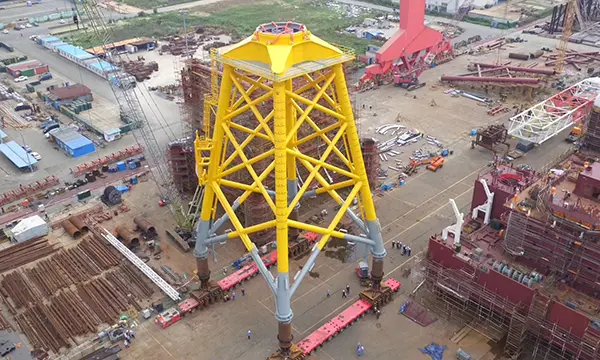
Dolphin Piles for Marine Jetty Projects: Material Selection and Anti-Corrosion Strategies
Dolphin Piles play a crucial role in marine and jetty construction, providing structural stability for berthing points, mooring systems, loading platforms, and other port operations. Due to continuous exposure to seawater, ultraviolet radiation, tidal forces, and mechanical impact, the material selection and anti-corrosion treatment of dolphin piles directly influence the operational lifespan and maintenance cost of marine facilities.
Understanding Dolphin Piles
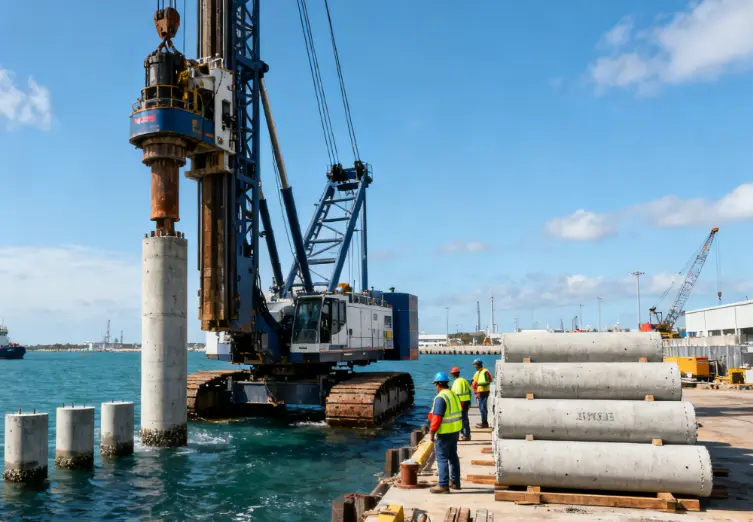
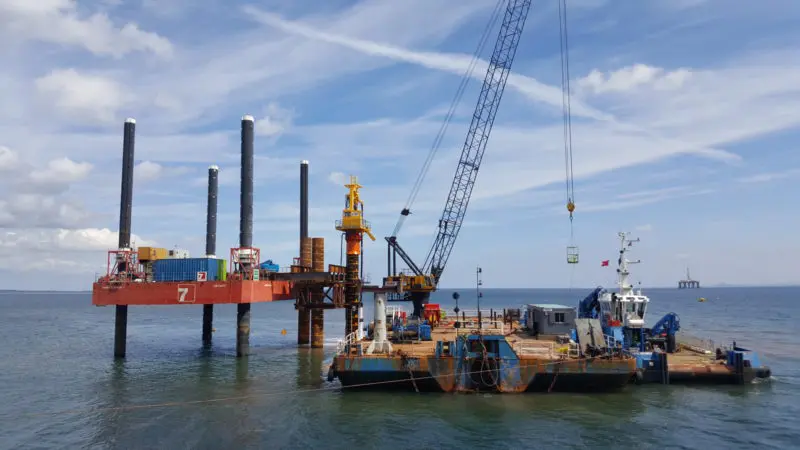
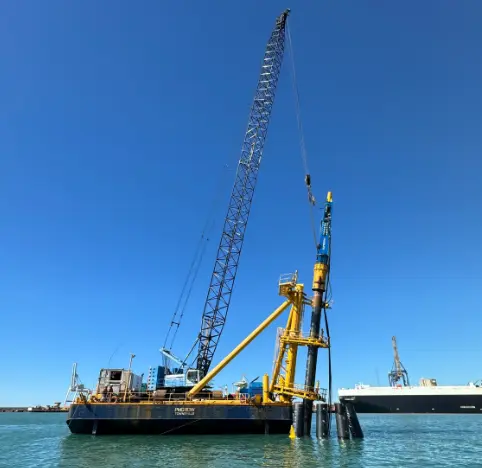
Dolphin piles are typically large-diameter Steel Tubular Piles installed offshore, either as standalone structures or integrated into jetty frameworks. Their primary functions include absorbing berthing forces, securing mooring lines, and supporting platforms. Compared to reinforced concrete piles, steel dolphin piles offer faster installation, higher strength-to-weight ratio, and better adaptability to deep-water or soft seabed conditions.
Material Selection
The most common dolphin piles are manufactured using structural-grade steel such as S355, ASTM A572, or API-grade materials. Key factors in selection include wall thickness, yield strength, diameter, and weld seam reliability.
-
Diameter: 500–2000 mm depending on load demands.
-
Thickness: Typically 12–40 mm, selected according to wave forces and berthing loads.
-
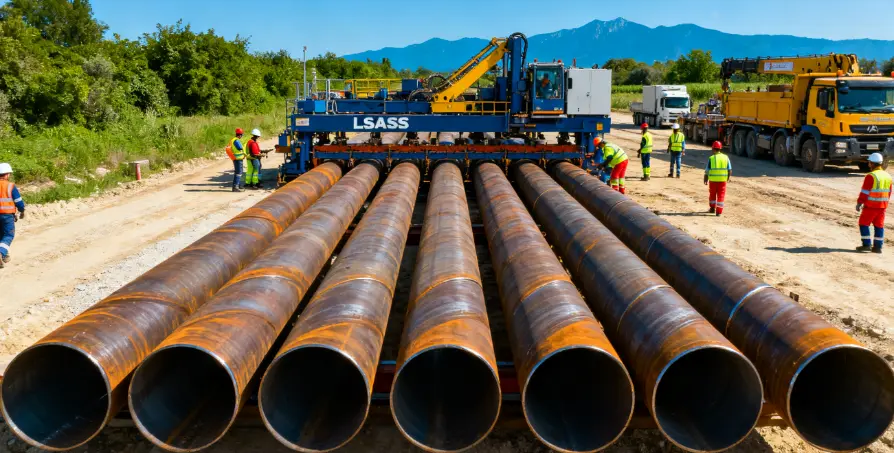
Weld Type: Longitudinal submerged arc welding (LSAW) is preferred for high-strength performance.
For high-salinity marine environments, the material must maintain mechanical performance while providing long-term corrosion resistance.
Anti-Corrosion Protection
Marine corrosion is unavoidable; therefore, a layered protection approach is recommended:
-
External Coatings: Epoxy / polyurethane / polyurea multi-layer coating systems are commonly applied. The coating should comply with ISO 12944 or NORSOK M-501 standards, ensuring sufficient dry film thickness.
-
Cathodic Protection: Sacrificial anodes or impressed-current systems effectively reduce corrosion rates in submerged zones.
-
Splash Zone Reinforcement: The splash zone experiences the most aggressive corrosion. Heavy-duty coatings or encasement sleeves can significantly extend service life.
Fabrication and Delivery
Quality control is a decisive factor in the performance of dolphin piles.
-
Weld seams should undergo UT / RT non-destructive testing.
-
Coating thickness must be measured and documented.
-
Each pile should carry clear identification markings for site logistics.
During shipping, rubber spacers and securing frames prevent coating damage. At the job site, lifting shall follow marked lifting points to avoid deformation.
Design and Procurement Recommendations
-
Provide complete project environment data (depth, wave height, design life).
-
Define coating system and inspection methods before fabrication.
-
Confirm pile length tolerance and joint type prior to installation planning.
Properly selected and protected dolphin piles can achieve service lives exceeding 30 years in marine environments, reducing both maintenance operations and total lifecycle cost.